

First Solo-Dev Release | “SCAB”
SCAB is a Lynchian, narrative-driven 3D exploration-horror game set around an eerie, remote Australian mining site in the middle of a tense union strike.
You wake up alone, without voice or memories, in a landscape ever on the cusp of sunset.
Tension swells to fill the quiet valley, as you slowly stumble upon more and more fragmented echoes, reminding you of your troubled past, reminding you of why you are here, reminding you of what you did.
But memories aren’t the only things that follow folks ready to face the truth.
Beware. You are not alone out there…
Design Choices and the Development Process:
My goal creative goals with SCAB were to make a nonlinear, unique, low-poly interactive narrative game that was atmospheric, intriguing, and memorable. My main creative and mechanical inspirations for SCAB came from titles like Slender, Firewatch, Dear Esther, and some small Itch.io games such as Bloodbark. The filmography of David Lynch, as the blurb suggests, was also a major influence on this game. I chose the setting of Australia, and centred the story around mining labour dynamics, not only because they are meaningful to me culturally and personally, but also because both Australia and labour unions are rarely depicted in video games. With the genre of low-poly horror being highly popular, but also highly saturated, I felt the unique setting, style and narrative focus allowed me to carve out an interesting niche that I hope will delight fans of the genre while also giving them something new and refreshing to sink their teeth into.
As my first solo game and my first ever Unity project, I sought to push myself beyond my technical and design capacities. SCAB is a proof of concept and ability. It is intended as a showcase of my creativity and capacity to curate a strong, consistent vibe, to learn by doing, to iterate, to improve, and to ship a project by the sweat of my own brow. I drafted, crafted, revised and released SCAB over the course of about 6 months, with a few major technical hiccups to overcome along the way; most notably the stressful recovery of a faulty SSD that suddenly died, nearly bring the whole project back to square one. I prefer making games in team settings, but my intention creating SCAB solo was to push myself, expand my skillset, and take ownership of each step of the development process. I sought to become a better collaborator by daring myself to take on new roles, learning more about other disciplines by wearing their hats and facing their challenges. Needing to personally implement every design decision I made, and fix each new problem that arose along the way, I’ve become not only a more well rounded developer, but a better team player, more adept at anticipating the needs of peers going forward. Narrative design by its nature is a cross-displinary craft that touches and impacts every other field in the development process. It’s part of my due diligence to ensure that my work and design choices are tailored to peers’ needs, and are made to blend holistically into their workflows.
Solo-developed naturally doesn’t mean I did everything without help. I could not have completed this project without the help of some very talented individuals. I am enormously grateful to the playtesters, programmers, writers and musicians who lent me their time and feedback to bring this project to life, in particular Victor Bilewicz-Adamski who composed the game’s score, and Ties van Kipshagen who offered invaluable technical support. Please check out their names as well as those of the others who volunteered their time and resources in the game’s credits. I am equally grateful to the friends and loved ones who encouraged me to finish this story through thick and thin.
Windows users can download and play SCAB on a name-your-own-price basis by clicking this link. Donations via my Ko-fi to support my work are also much appreciated and help me keep making games!
-
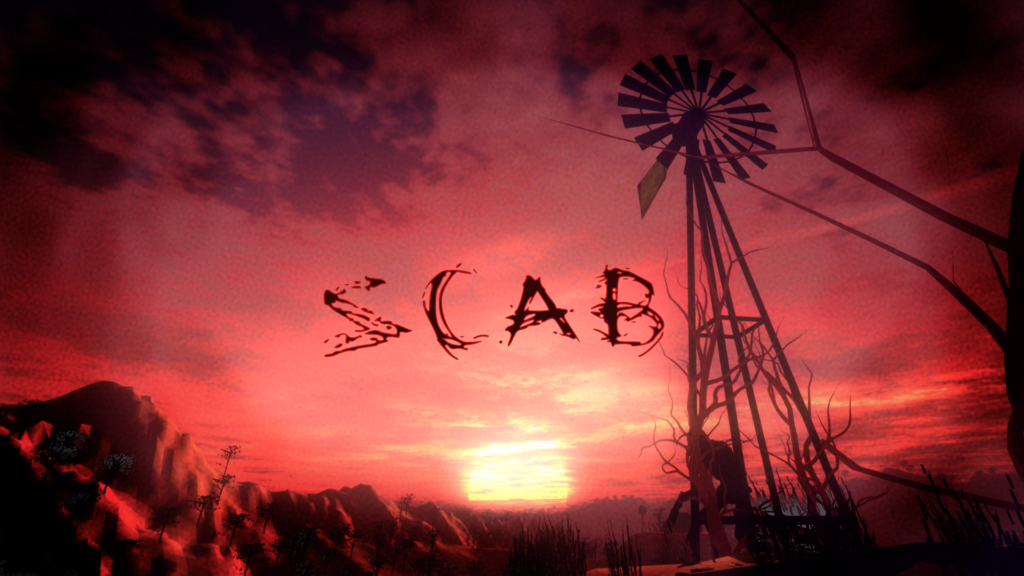
- you awake without memories…
-
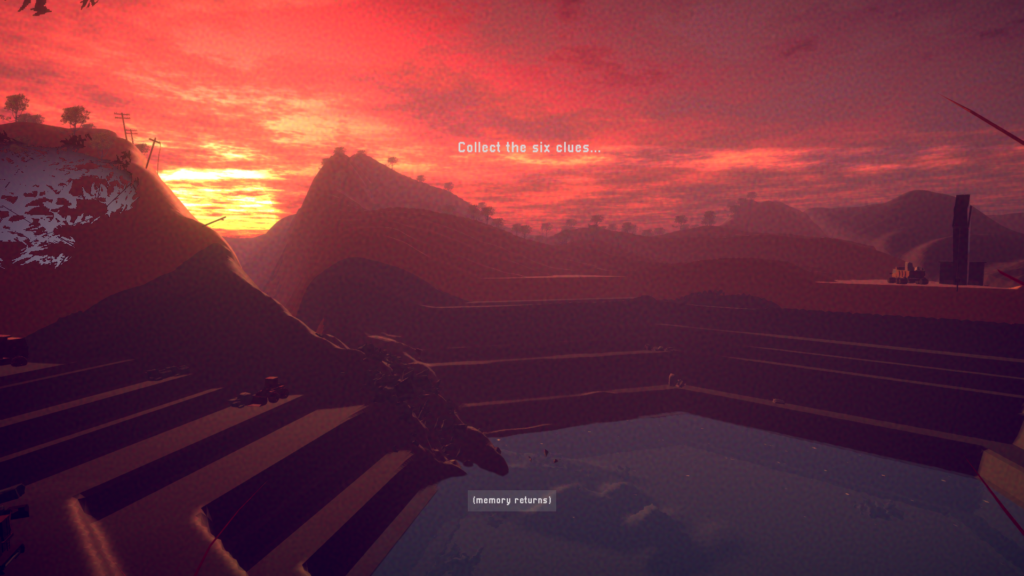
- remember what happened…
-
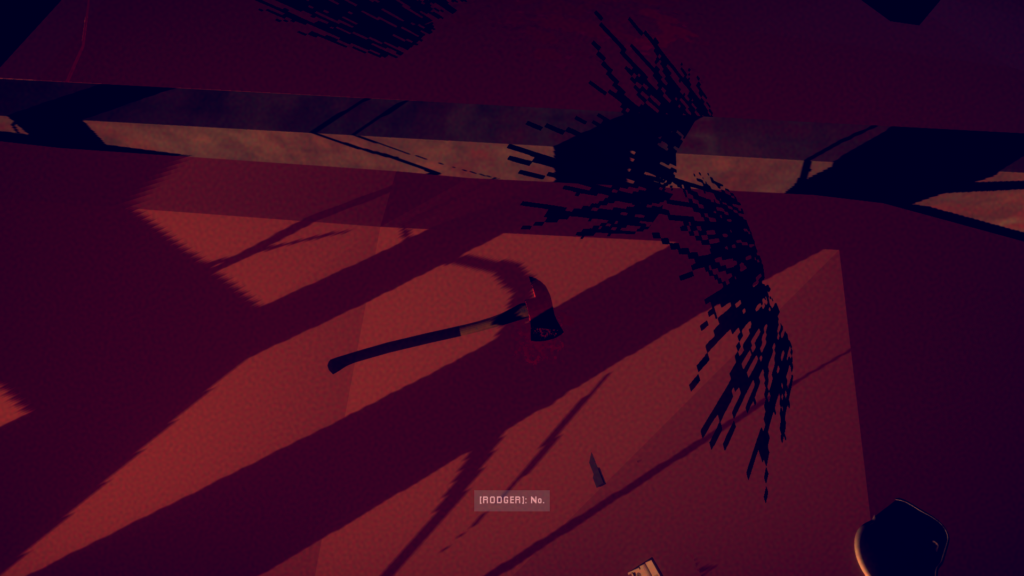
- listen to echoes of the past…
-
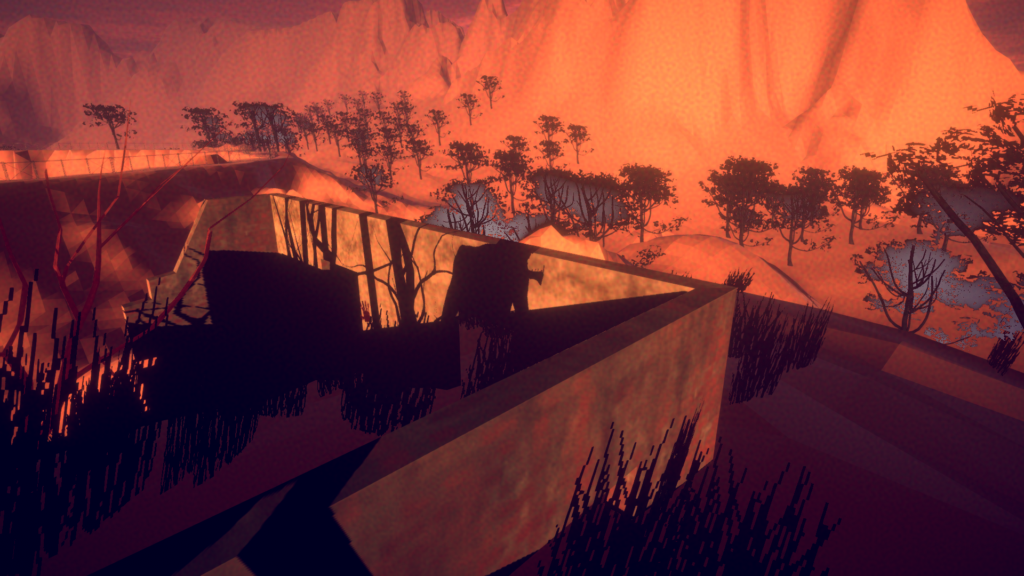
- don’t let it catch up…